How to Make a Compact Apartment Feel Like Exactly Enough

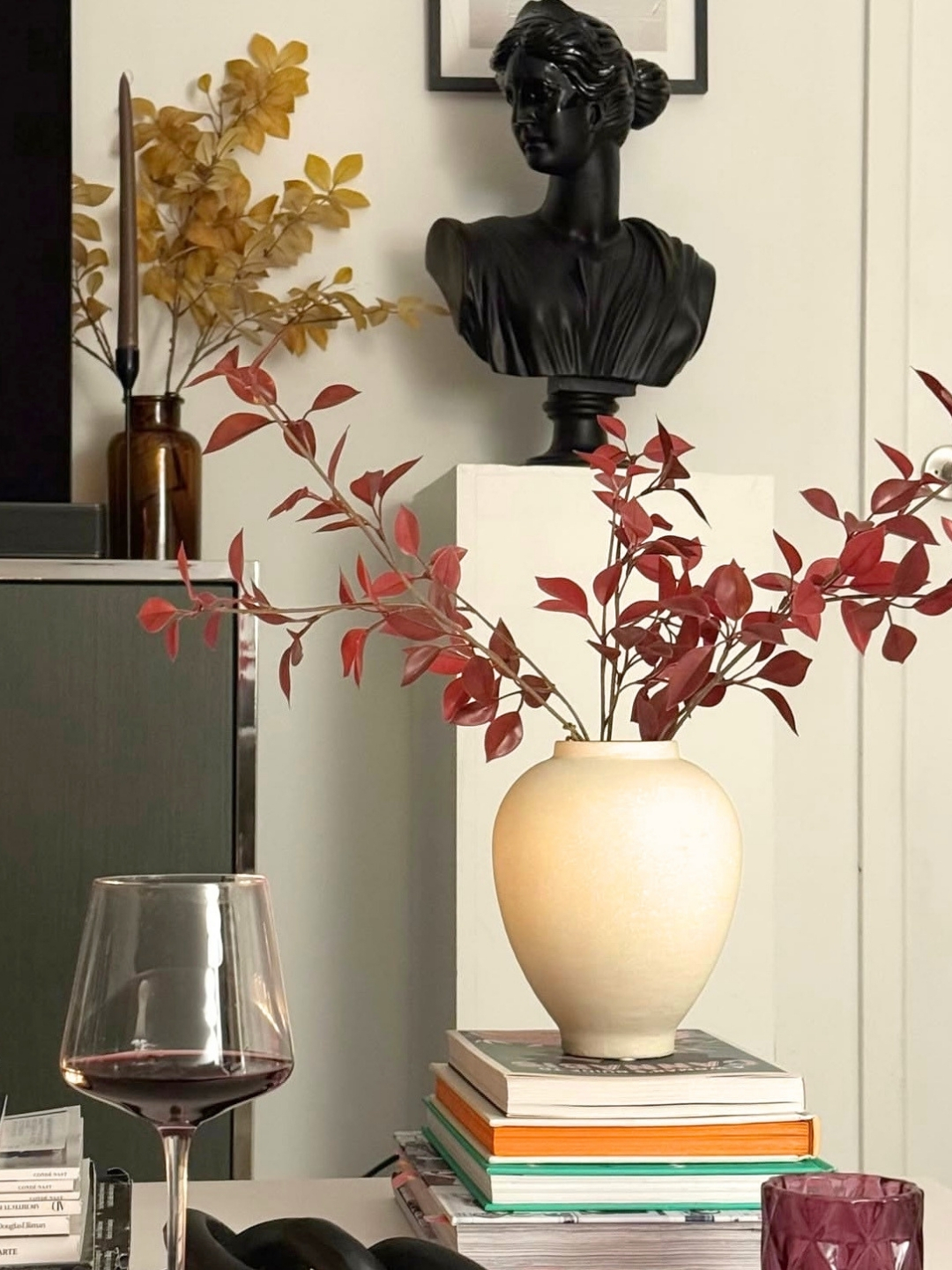

There is a particular kind of freedom that comes with a small apartment — one that most people spend the first year fighting before they finally lean into it. The square footage isn't the problem. The approach is. Small spaces don't demand sacrifice. They demand editing. And editing, done well, is one of the most clarifying exercises in design.
New York has been teaching this lesson longer than anywhere else. In a city where 600 square feet is a reasonable ask and a dedicated dining room is a luxury, the most beautifully lived-in apartments tend to share a single quality: every object earned its place. Nothing is there by default. That discipline — applied with warmth rather than austerity — is the whole game.
Before anything goes in, the architecture of a small space deserves its own honest assessment. Where does the light come from, and at what hours? Which walls are load-bearing visually — the ones your eye moves toward first? Is there a sight line that, if kept clear, would make the room breathe?
These questions matter because small spaces are unforgiving of furniture placed without purpose. A sofa that blocks a window doesn't just block light — it shrinks the room. A console table pushed against the wrong wall creates friction instead of flow. Mapping the space before furnishing it is the single most important thing you can do, and most people skip it entirely.
Floor space is finite. Wall space almost always isn't fully used. Shelving that runs to the ceiling draws the eye upward and creates storage without consuming the square footage you need to move through. Built-ins do this most elegantly, but floating shelves in a considered arrangement accomplish nearly the same thing for less commitment and less cost. The key is restraint on the shelf itself: a row of books, a few objects, negative space. The moment a shelf becomes a surface for accumulation, it starts working against you.
Multifunctional furniture has a bad reputation because most of it looks like multifunctional furniture. The better approach is sourcing pieces that do two things without advertising the fact. A storage ottoman that reads as a coffee table. A daybed that functions as a sofa and a guest bed. A console that doubles as a desk. The design-forward versions of these pieces exist — they just require more searching and, often, a slightly longer view on budget.
Dining is where this principle pays off most. In a small apartment, a round table almost always outperforms a rectangular one: it takes up less visual space, accommodates an extra person more gracefully, and doesn't create the hard corners that make tight rooms feel tighter.
The conventional wisdom — paint everything white, keep it light — is correct as far as it goes, but it stops short of the more interesting conversation. A single deep-toned wall, chosen carefully, can add depth to a room that a flat white never achieves. The trick is directionality: a dark accent wall at the far end of a narrow room pulls the eye forward and makes the space feel longer. Dark paint in a bathroom, counterintuitively, often makes the room feel more considered rather than smaller.
Beyond paint, the scale of pattern matters enormously in a small space. Oversized prints on throw pillows or a single large-format art piece read as confident and deliberate. Many small prints scattered across a room read as noise. When in doubt, go larger and fewer.
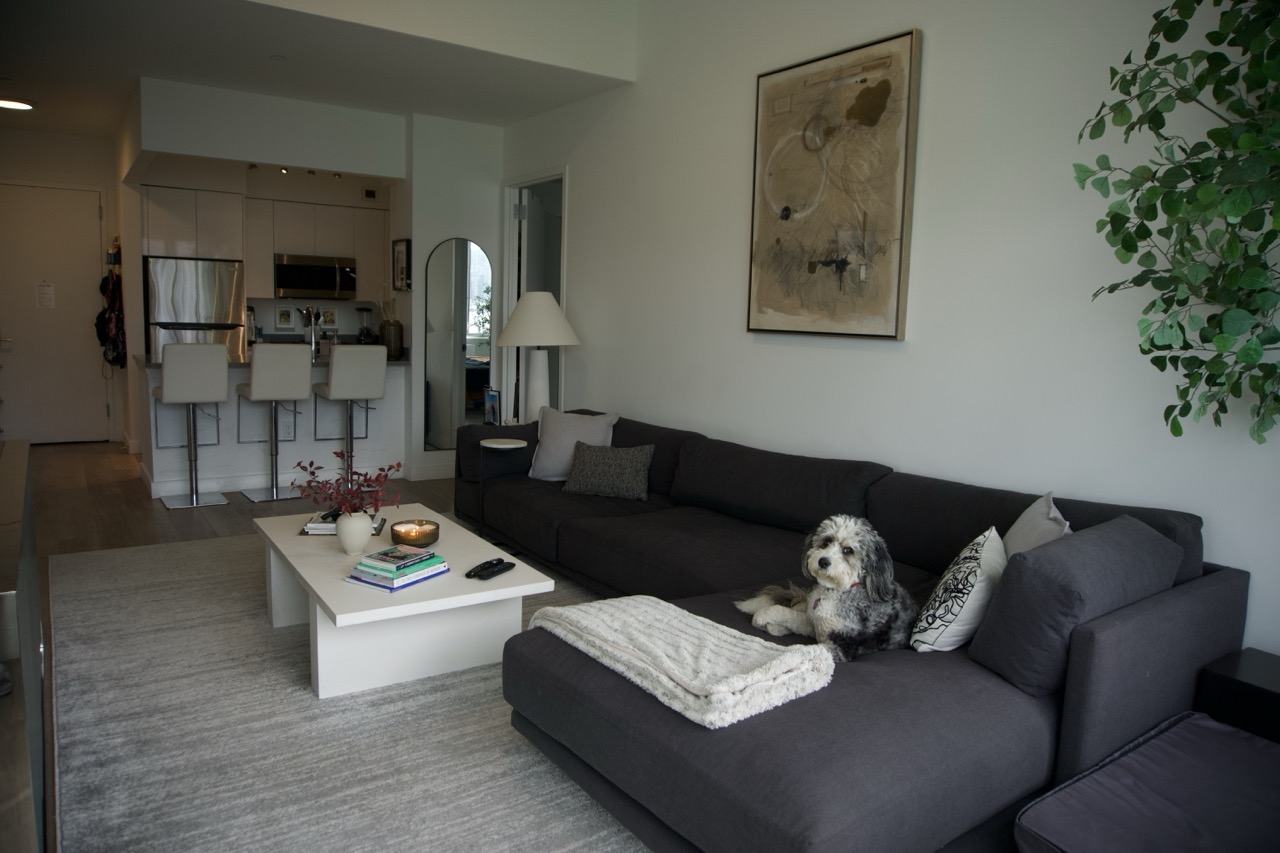
This is the part nobody wants to hear, and it's the most important part: the things that make a small apartment feel spacious are largely the things you remove. A clear counter. A nightstand with two objects instead of six. A coat hook instead of a chair that became a coat rack. Visual clutter accumulates faster in small spaces, and the cost is immediate — the room stops feeling like a choice and starts feeling like a compromise.
The most livable small apartments are the ones where their owners made peace with limitation and then worked within it with genuine creativity. Not despite the constraints, but because of them. That's the design principle worth keeping, regardless of how many square feet you're working with.

Follow Us



%401x.svg)
.jpg)